
![[안트로폴리스Ⅳ] 이오카스테 Poster](/upload/perfMain/26092815202076399933.jpg)
ANTHROPOLIS Ⅳ: Iokaste
28 Oct, 2026~
21 Nov, 2026
Off the Record: Iokaste, a Voice Left Unheard
-
Venue
Myeongdong Theater
-
Genre
Theater
-
Show Time
Weekdays 7:30pmㅣSat & Sun & Public Holidays 3pmㅣNo performance on Tuesday
-
Tickets
R 60,000KRW | S 45,000KRW | A 30,000KRW
-
Duration
130
-
Enquiry
1644-2003
Language Korean
*English subtitles are provided on Thursdays and Sundays. (except 11/8)
Age Restriction Suitable for ages 16 and over
Off the Record: Iokaste, a Voice Left Unheard
The Queen of Thebes? The wife of Laios? The mother and wife of Ödipus?
At last, Iokaste speaks for herself.
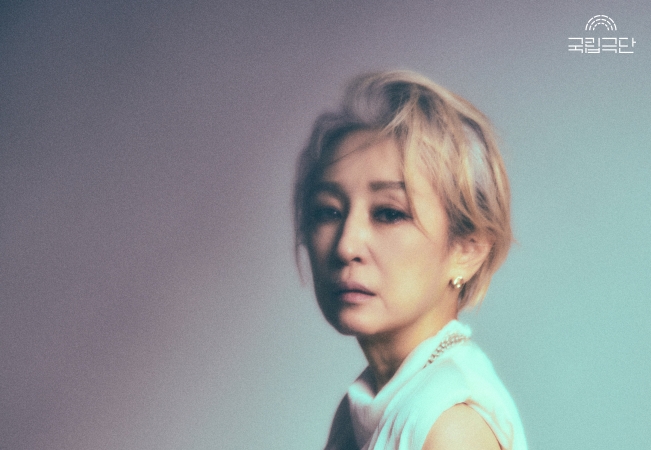
“You are free to choose. You can make peace, or you can kill each other.”
As everyone prepares for war, Iokaste stands alone between her two sons, determined to prevent catastrophe.
She does so for the brothers who have turned their swords against each other, for the women in the square and all the children,
and for the peace she is determined to protect to the very end.
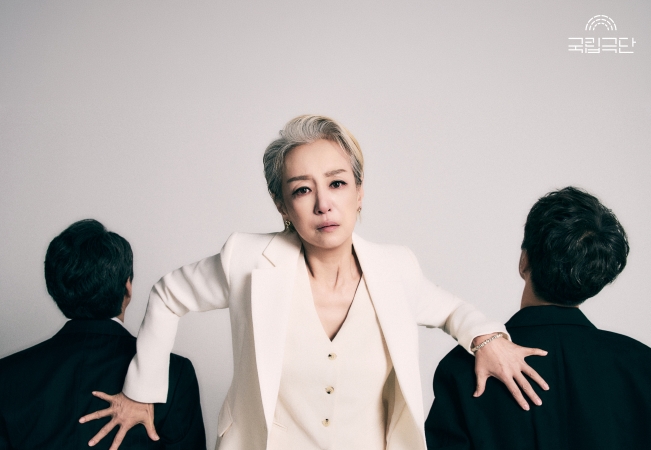
Iokaste, the Figure at the Heart of Roland Schimmelpfennig’s Anthropolis Pentalogy
“Iokaste embodies one of the central questions of Anthropolis.”
While Ödipus and Antigone have long been among the most prominent figures of Greek tragedy, Iokaste has received comparatively little attention. Traditionally portrayed as someone’s mother and a bystander to tragedy, she is reimagined by Schimmelpfennig as an active mediator and an astute political figure. The Iokaste we encounter here and now is no victim of prophecy. Caught amid conflict between individuals and society, she continues to question, to engage in dialogue, and to make her own choices. As we follow Iokaste’s perspective, we ultimately find ourselves face to face with the reality in which we live and the choices it demands of us.
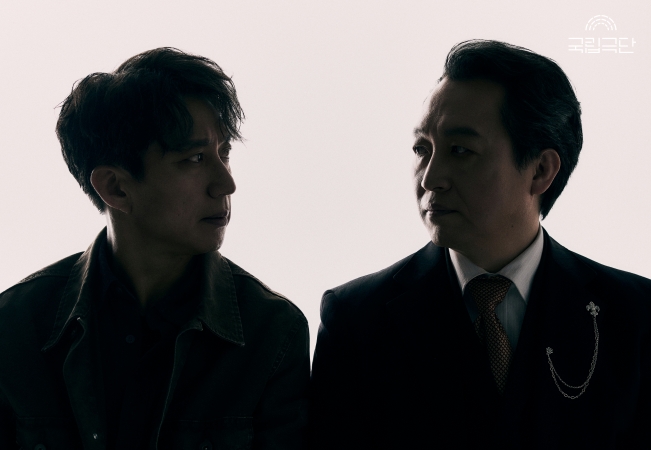
SYNOPSIS
After their father Ödipus blinds himself, brothers Eteocles and Polynices agree to take turns ruling Thebes, each for one year. However, when Eteocles breaks the agreement, the pact begins to unravel. Enraged, Polynices declares that he will raise an army and attack Thebes. Their mother, Iokaste, summons both sons and urges them to discuss the future of Thebes rather than seek revenge against each other. She believes in human reason and the freedom to choose, but as the brothers keep talking past each other, reconciliation grows ever more remote.
Written by Roland Schimmelpfennig
Born in Göttingen, Germany, Roland Schimmelpfennig is today one of the country’s leading playwrights. After studying theater directing at the Otto Falckenberg School of the Performing Arts in Munich, he went on to work at some of the most prestigious theaters in the world, including the Kammerspiele in Munich, the Schaubühne in Berlin, the Burgtheater in Vienna, and the Volksbühne in Berlin. His plays are performed extensively around the world, and he has received commissions from major international venues in Vienna, Zurich, Copenhagen, Stockholm, Toronto, Tokyo, and beyond. In 2009, his play The Golden Dragon, which he wrote and directed for its world premiere at the Burgtheater Vienna, received the Mülheim Playwriting Award and drew widespread attention. His works presented to Korean audiences include The Golden Dragon, The Woman Before, and Arabian Night.
Written by Aeschylus
Aeschylus was one of the three great tragedians of ancient Athens, alongside Sophocles and Euripides, and is widely known as the father of tragedy. Of the roughly ninety plays attributed to him, only seven survive today. He played a major role in developing early dramatic performance beyond a form centered on chorus and recitation, bringing song, dialogue, and dramatic action together onstage. His tragedies are particularly known for portraying the heroic struggle of human beings against fate.
Written by Euripides
Euripides was one of the three great tragedians of ancient Athens, alongside Aeschylus and Sophocles. Of the ninety-two plays attributed to him, nineteen survive today, including the satyr play Cyclops. Celebrated for his profound understanding of and compassion for human suffering, Euripides is known as an innovative and unique playwright whose works frequently explore doubt and skepticism about the gods, as well as the tragedies of war.
Adapted & Directed by Seo Ji-hye
Through productions including The Eldest Daughters, Tales of Common Insanity, and Island, director Seo Ji-hye has consistently posed the question, “What responsibility do we have toward others?” to contemporary audiences. Her work brings to the stage the suffering of those marginalized and othered by society and their times, approaching their experiences with deep compassion and empathy.
Major Works
The Eldest Daughters, Reunification of the Two Coreas, Love Song, BULL, Solitary Bath, Tales of Common Insanity, and Island
Awards
2024 Baeksang Arts Awards, Theater Category nomination, The Eldest Daughters
2024 11th E-Daily Culture Awards, Best Theater Production, The Eldest Daughters
2024 International Association of Theatre Critics Korea, Top 3 Plays of the Year, The Eldest Daughters
2024 Korea Theatre Review, Top 7 Productions of the Year, The Eldest Daughters
2018 Dong-A Theater Awards, Best Production, Tales of Common Insanity
2018 Korea Theatre Review, Top 7 Productions of the Year, Tales of Common Insanity
2018 Seoul Theater Festival, Grand Prize, Best Director, Best Performance, and Audience Choice Award, Tales of Common Insanity 2015 Hokkaido Theatre Foundation, Best Play of the Year Grand Prize, Island
2014 Hokkaido Theatre Foundation, Top 3 Plays of the Year, Island
2014 Sapporo Theater Go Round (TGR), Grand Prize, Island